Photo courtesy of Santi Vedrí/Unsplash.
Thanks to the LETRS program, North Carolina K-3 students outperformed national averages in literacy for the third straight year.
North Carolina’s kindergarten through third grade students have outperformed the national average in end-of-year literacy assessments for the third consecutive year, according to data presented to the State Board of Education. The DIBELS 8 (Dynamic Indicators of Basic Early Literacy Skills) assessment results show significant improvements among the state’s students from the beginning to the end of the 2023-24 school year.
Key findings
According to a press release from the North Carolina Department of Public Instruction, here are some of the key findings from the data:
- The number of students who met or exceeded the DIBELS 8 benchmark grew by 81,616 from the start to the end of the school year.
- 53,808 fewer students scored well below the benchmark.
- At every grade level tested, a higher percentage of North Carolina students were “on track” compared to the national average.
- K-2 students demonstrated greater improvement from the beginning- to end-of-year assessments.
- Third graders showed similar rates of improvement as their national peers.
LETRS program impact
State Superintendent Catherine Truitt attributes this success to the North Carolina Department of Public Instruction (NCDPI)’s statewide implementation of the Language Essentials for Teachers of Reading and Spelling (LETRS®) program. Key points include:
- The two-year professional development initiative for K-3 teachers was introduced in the 2021-22 academic year.
- The final cohort completed their training in June 2024.
- LETRS equips educators with instructional tools based on extensive research into the science of reading.
Grade-level performance
Here’s a breakdown of grade-level performance in literacy assessments:
- The most significant gains were seen in kindergarten, where the percentage of students on track in reading grew by 40 percent during the 2023-24 school year, compared to an average of 25 percent in other states.
- Amy Rhyne, senior director of NCDPI’s Office of Early Learning, explained that the differences in achievement between grade levels are due to the foundational nature of reading skills.
- This year’s third graders were already in first grade when the LETRS training began, whereas K-2 students were exposed to the science of reading methods earlier.
Future outlook
Rhyne expressed optimism for future achievements as all students will now enter kindergarten with teachers who have completed LETRS training. The continued implementation of these evidence-based teaching methods is expected to further improve literacy rates across all early grade levels in North Carolina.
Read More About This
Read More North Carolina News
This article may have been created with the assistance of AI.
This article first appeared on Good Info News Wire and is republished here under a Creative Commons license.
This story was generated in part by AI and edited by Cardinal & Pine staff.
Author
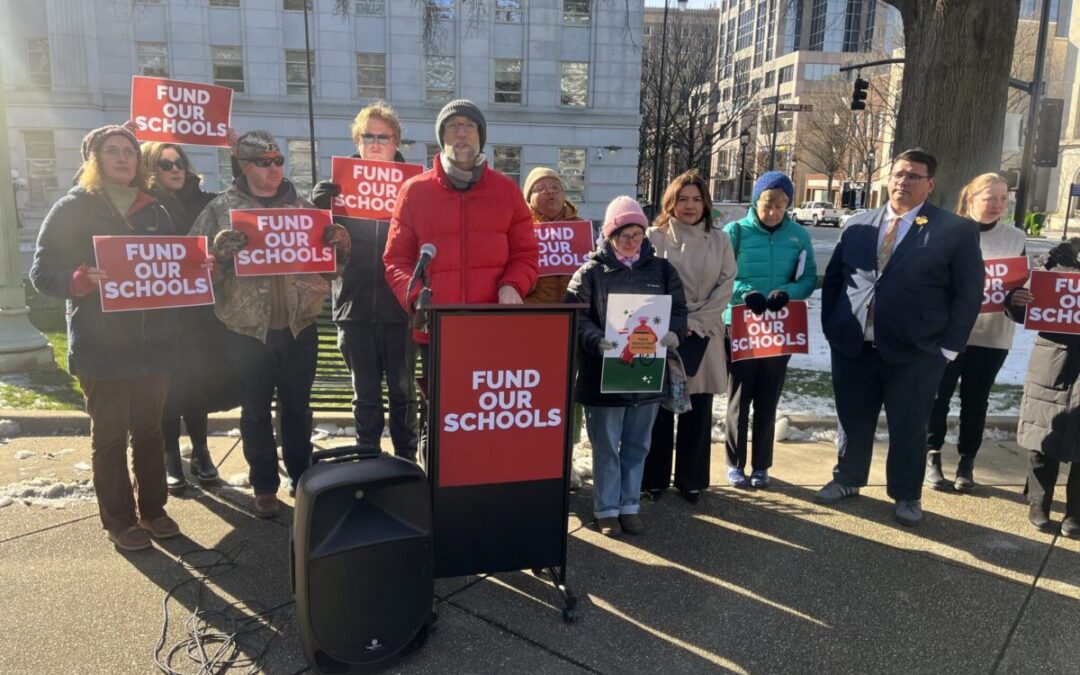
Students, advocates condemn delays in NC’s Leandro case
Education advocates, parents and teachers braved the cold Thursday as they urged the North Carolina Supreme Court to enforce its Leandro ruling and...
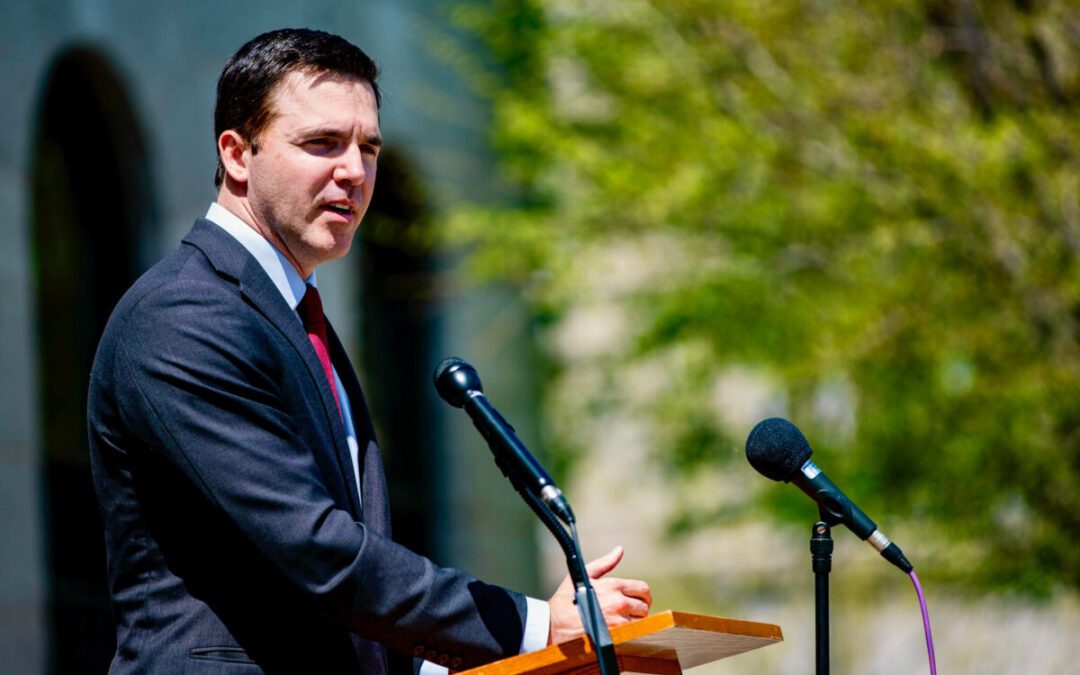
NC fights back after Trump team cuts $50M in rural education funding
North Carolina Attorney General Jeff Jackson says the decision to end the funding mid-stream violates federal law and threatens critical rural...
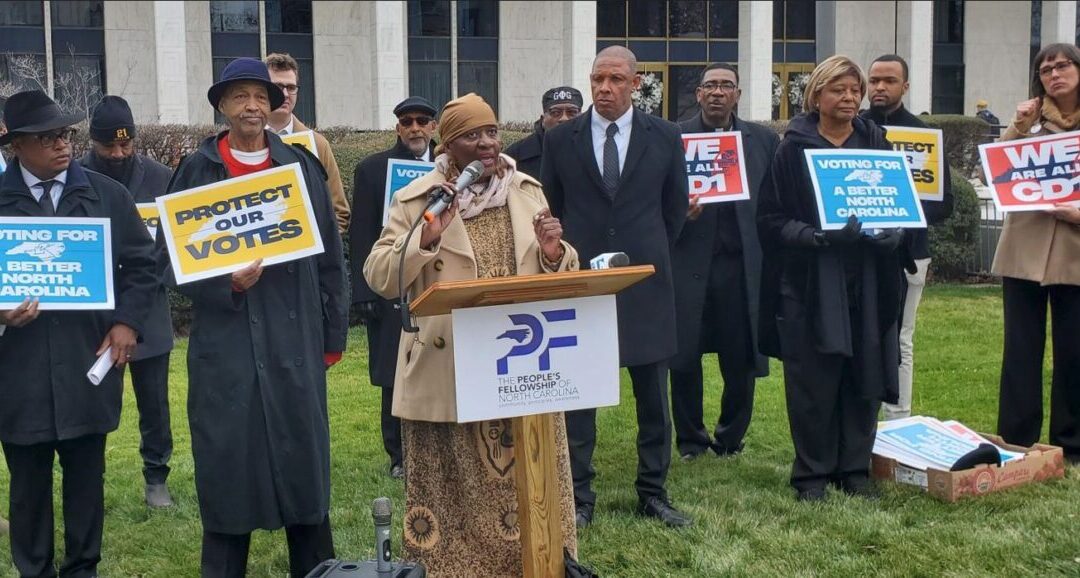
North Carolina faith leaders, advocates outline legislative wish list ahead of 2026 session
NC faith leaders and advocacy groups outlined a policy agenda focused on education funding, health care access, and more as lawmakers prepare for...
North Carolina faith leaders, advocates outline legislative wish list ahead of 2026 session
NC faith leaders and advocacy groups outlined a policy agenda focused on education funding, health care access, and more as lawmakers prepare for...
NC ranks last in the nation for school funding effort. Here’s why
A nonpartisan organization recently ranked NC at the bottom of the nation for public education funding in several metrics, including last in the...