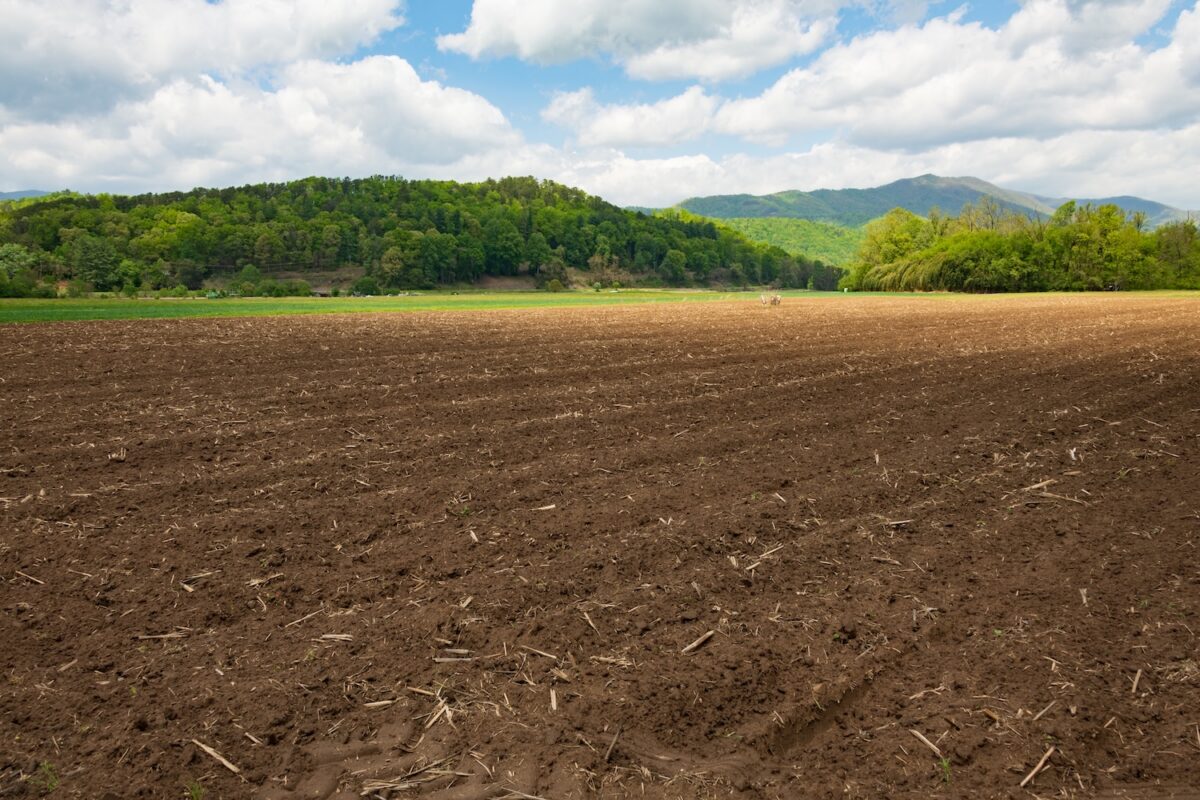
The Trump administration's trade war could lead to thousands of lost agricultural jobs in North Carolina. (Adobe Stock)
Farmers of color have lost some of the programs which had supported equity in agriculture under the Trump administration but producers are finding ways to overcome hurdles in the Carolinas.
In the past year, the U.S. Department of Agriculture has moved toward what it calls a race-neutral policy under President Donald Trump. One casualty of the shift was the Discrimination Financial Assistance Program, which compensated farmers who faced racial discrimination in the USDA’s lending practices before 2021. The program was passed as part of the Biden-era Inflation Reduction Act and began distributing $2.2 billion to Black farmers before it was canceled under Trump.
Cherie Jzar, cofounder of the Deep Roots Community Planning Solutions Urban Farm in Charlotte, said family farms are now dealing with tariffs and less support from the federal government.
“A lot of that momentum was trying to reach Black farmers, trying to better understand what the challenges were, and to meet those needs,” Jzar outlined. “And so once the administration changed, all of that momentum sort of went away.”
Jzar added the new administration is more focused on supporting large commodity farmers. However, her farm continues to succeed. Jzar and her husband started the farm in 2019 with seven acres in Charlotte. Today they have expanded to 44 acres in Monroe and are supported by nonprofit partnerships and growing agritourism.
Joseph Fields, a third-generation farmer in John’s Island, South Carolina, has changed his business model and become a certified organic farmer to deal with the changes, like the tariff effects on agriculture and greater demand for organic produce. Fields said the change has come with challenges, such as the hassle of greater regulations.
“You got to fill out a lot of paperwork to become certified,” Fields pointed out. “Paperwork gets thicker and thicker. You got to record all your sales and what you plant and what you harvest.”
Gbinga Ajilore, chief economist at the Center on Budget and Policy Priorities, said Black farmers face a number of challenges, and the cancellation of the USDA’s Discrimination Financial Assistance Program is a major blow. However, Ajilore considers himself an optimist, noting even though it is difficult, people who want to farm will find a way.
“You have these people who’ve been farming for generations,” Ajilore observed. “The act of farming, it’s more than just, ‘We want to make money.’ There’s a calling to that. There’s always going to be people who hear that calling, but the issue is, can we make it not difficult for them to do it?”
This story is based on original reporting by Herbert L. White for the The Charlotte Post via the Pulitzer Center for Crisis reporting.
Related: We Asked NC Farmers to Share What Gets Them Up in the Morning
Author


Good News Friday: North Carolina athletes represent at Winter Olympics
North Carolina athletes show out at the Olympics. Plus, early voting gets under way and NC leads the way on life-saving emergency response tech. I...
Early voting begins today. Here’s what to watch for in the 2026 NC primaries
The 2026 NC primaries are about to kick off, setting up key congressional, state legislative and judicial elections in November. by Brandon...

A new Helene documentary premieres in North Carolina this weekend
A new Helene documentary, "Air Angels: Flight Helene," tells the story of North Carolina residents who used their private planes and resources to...
A new Helene documentary premieres in North Carolina this weekend
A new Helene documentary, "Air Angels: Flight Helene," tells the story of North Carolina residents who used their private planes and resources to...

Good News Friday: Charlotte Symphony director wins Grammy for Civil War spy opera
"Intelligence" tells the true story of two Civil War spies, Elizabeth Van Lew and Mary Jane Bowser. Charlotte Symphony Orchestra's director Kwamé...