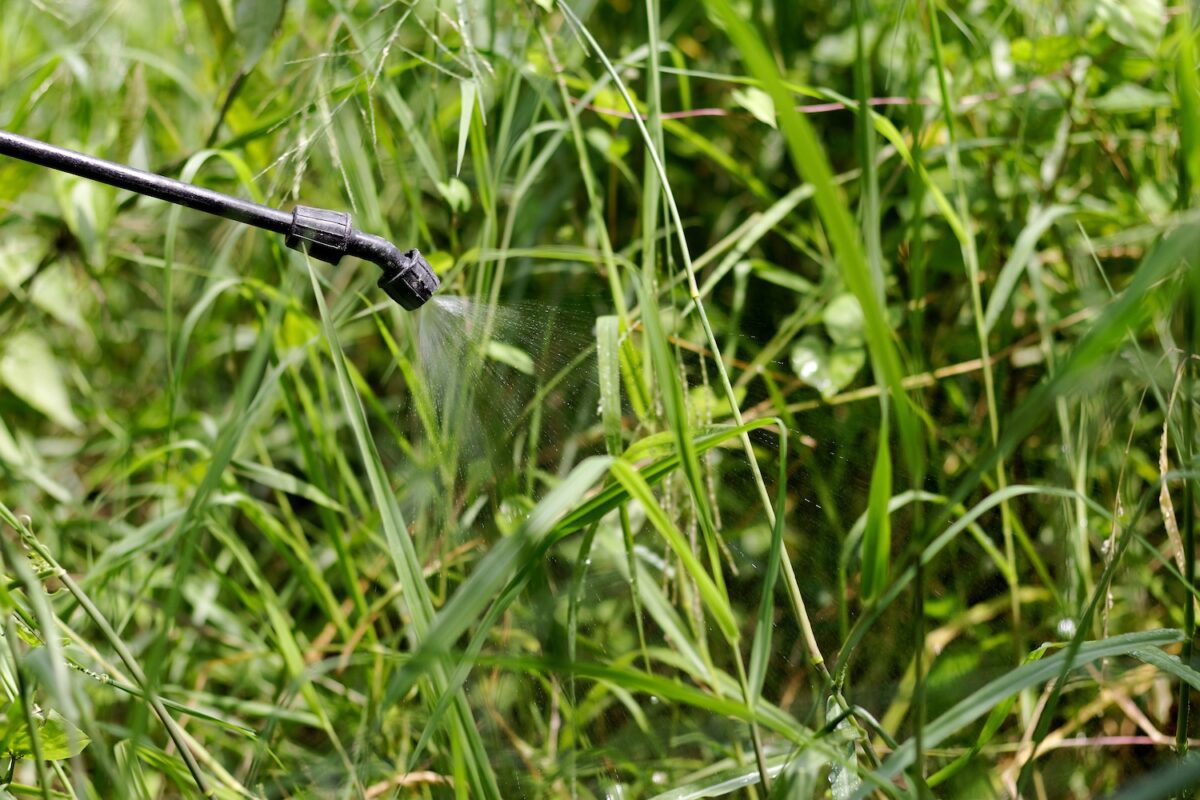
Paraquat is a fast-acting weed killer which affects people's health. (Kritchai/Adobe Stock)
A new analysis showed the harmful life cycle from production to application of a widely used pesticide in North Carolina.
The chemical paraquat is a quick-acting herbicide used for weed control. Long-term exposure to paraquat has been associated with thyroid cancer, impaired kidney function, childhood leukemia and Parkinson’s disease. The study “Designed to Kill: Who Profits From Paraquat?” looks at SinoChem Holdings, a Chinese-owned company selling tens of millions of dollars in paraquat to the U.S. each year.
Kendall Wimberley, policy manager for the group Toxic Free NC, pointed out it is despite the fact China has banned the chemical.
“Over 70 countries have banned paraquat, including some countries where they produce it and then send it elsewhere to be used,” Wimberley noted.
Paraquat is a synthetic pesticide and its development involves fossil fuels, not just for transportation but production. The research follows one brand of the chemical from SinoChem, which involves production in eastern Africa and the Middle East. It is then sent to India and Europe before being shipped into the U.S.
Paraquat imports to the U.S. have increased over the past 15 years.
Wimberley stressed paraquat has immediate health effects on the farmworkers who spray it, with some suffering burns from contact with the chemical. They said they attended a North Carolina pesticide board meeting and heard cases of the effects from paraquat drift away from the area where it was applied.
“In one case, a family that had itchy, watery eyes and they had reported headaches from this pesticide,” Wimberley reported. “It’s really not just this abstract thing. There are too many people in North Carolina and across the nation exposed to this toxic pesticide every year.”
Wimberley argued we should not consider simply banning a pesticide like paraquat but look at the bigger picture.
“The need to get off of this pesticide treadmill, and we can’t just ban one chemical at a time,” Wimberley contended. “We need to be looking at these as classes of chemicals.”
Related: NC residents and coastline both test positive for toxic forever chemicals
Author


Good News Friday: Anti-violence program making a difference in Charlotte, study says
If it's Friday, it must be time for some good news. This week, some positive signs from a local anti-violence program in Charlotte, NC's largest...

Scientists say the ‘forever chemical’ TFA causes irreversible harm. In eastern NC, it’s everywhere.
The discovery of TFA in blood and water samples raises questions about Chemours’ role in adding to the pollution burden. By Lisa Sorg This article...
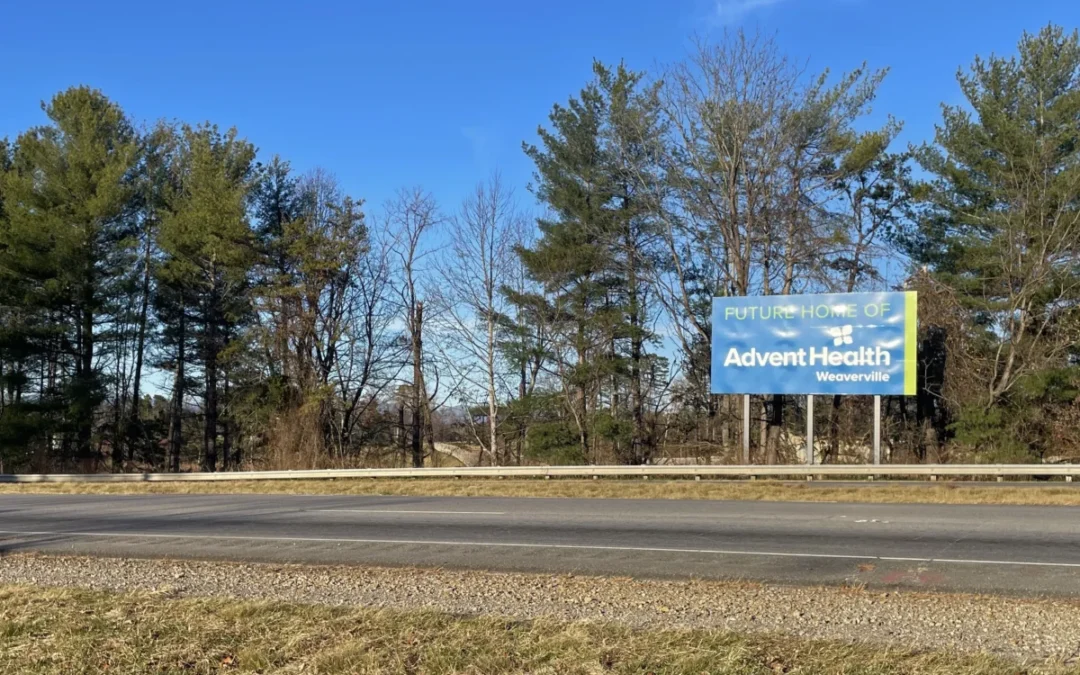
A North Carolina hospital was slated to open in 2025. Mired in bureaucracy, it’s still a dirt field.
Andrew Jones December 8, 2025 Madison County, tucked in the mountains of western North Carolina, has no hospital and just three ambulances serving...
A North Carolina hospital was slated to open in 2025. Mired in bureaucracy, it’s still a dirt field.
Andrew Jones December 8, 2025 Madison County, tucked in the mountains of western North Carolina, has no hospital and just three ambulances serving...

Good News Friday: Gov. Josh Stein announces $5 million in grants for rural NC
This week's Good News Friday roundup includes big "Giving Tuesday" gifts, rural improvements announced by Gov. Josh Stein, and a major honor for a...