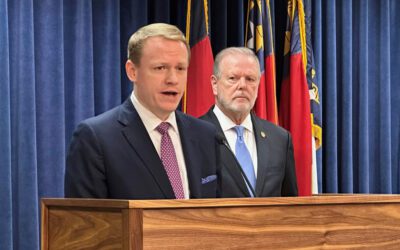
North Carolina House Speaker Tim Moore, R-Cleveland, speaks while Senate leader Phil Berger, R-Rockingham, left, and other legislators listen in the Legislative Building in Raleigh, N.C., as Berger and Moore unveiled details of an initial Hurricane Helene package considered at the General Assembly on Wednesday, Oct. 9, 2024 (AP Photo/Gary D. Robertson).
Some NC communities are battling underfunded, crumbling schools and lead-contaminated water, but Republican leadership in the NC General Assembly is focused on all the wrong things.
The recent discovery of lead-contaminated water in western North Carolina is a stark reminder of the dire infrastructure and public health challenges facing our communities.
Buncombe County’s lead crisis is not an isolated incident but part of a larger pattern of neglect in addressing aging infrastructure across the state.
This growing catastrophe underscores the need for immediate action to prioritize investments in public health, schools, and infrastructure, rather than enacting laws like House Bill 10, which, among other things, orders local law enforcement to enforce federal immigration orders and spends hundreds of millions of dollars on private school vouchers.
All of this diverts focus and resources away from the state’s critical infrastructure problem.
A Public Health Catastrophe
Lead in water is a direct threat to the health and futures of our children, causing irreversible brain damage and developmental delays.
Yet, many schools and communities across North Carolina are left without the resources to test, remediate, or replace outdated pipes and facilities. While families worry about whether their children are safe drinking from school water fountains, this bill does nothing to address these urgent public health crises.
Funding Schools and Infrastructure Is the Real Priority
Instead of focusing on mandates like those in House Bill 10, we must allocate state resources to fund the Leandro plan and address infrastructure failures. [Editor’s Note: The Leandro plan is a court-ordered consultant’s proposal for addressing chronic state underfunding of public schools in low-wealth school districts in North Carolina.]
Fully funding public education ensures that schools have the resources to provide safe drinking water, modernized facilities, and equitable opportunities for all children. Diverting attention and resources toward enforcing ICE detainers distracts from the pressing economic and physical needs of our schools and communities.
Disproportionate Impact on Underserved Communities
The communities most affected by aging infrastructure—rural areas, low-income neighborhoods, and communities of color—are also the ones at greatest risk of being marginalized by the law enforcement mandates in House Bill 10.
These areas face crumbling school buildings, failing water systems, and a lack of economic investment. For these families, clean water and quality education should be the state’s focus, not policies that foster fear and division.
Local Needs Require Local Solutions
House Bill 10 undermines the autonomy of local governments and law enforcement by imposing unfunded mandates.
Instead of forcing sheriffs to comply with ICE detainers, the state should empower local governments to address pressing infrastructure and public health concerns. Investing in safe drinking water, modernized schools, and economic development would demonstrate a true commitment to the well-being of North Carolina’s residents.
Lead Poisoning Is a Catastrophe We Cannot Ignore
As we’ve seen in Flint, Michigan, ignoring lead contamination can lead to devastating, long-term consequences. North Carolina cannot afford to follow this path.
Fully funding infrastructure improvements, particularly in underserved and rural areas, is essential to preventing future public health disasters.Our lawmakers must focus the state’s resources on addressing the real crises at hand. The lead in Buncombe County’s water is a wake-up call: Our children, schools, and communities need immediate investment in infrastructure and education. Policies like House Bill 10 distract from these critical issues and fail to serve the needs of the people of North Carolina.
Let us prioritize what truly matters—our children’s health, safe schools, and economic opportunities for all.
Author


NC Democratic primary challenger has history of racist remarks, lawmaker says
Michael Wray, a former 10-term state Representative running for his old seat in 2026, faces claims that he once told a fellow lawmaker to “watch out...
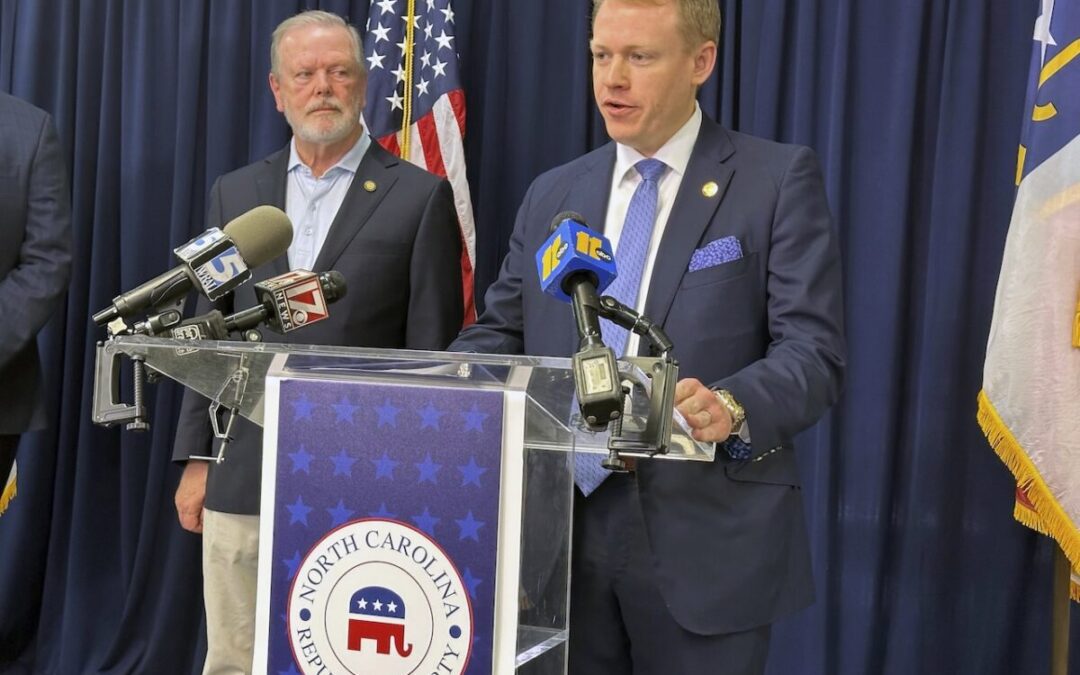
NC Republicans face criticism from the right as they slap each other over a stalled budget
Republicans control both chambers of the NC legislature, but have failed to pass a budget 6 months after it was due. Even conservatives are losing...

Federal judges uphold several North Carolina US House districts drawn by Republicans
Federal judges will allow some of North Carolina state lawmakers' gerrymandered US House districts to go on, but this year's Trump-endorsed...
Federal judges uphold several North Carolina US House districts drawn by Republicans
Federal judges will allow some of North Carolina state lawmakers' gerrymandered US House districts to go on, but this year's Trump-endorsed...
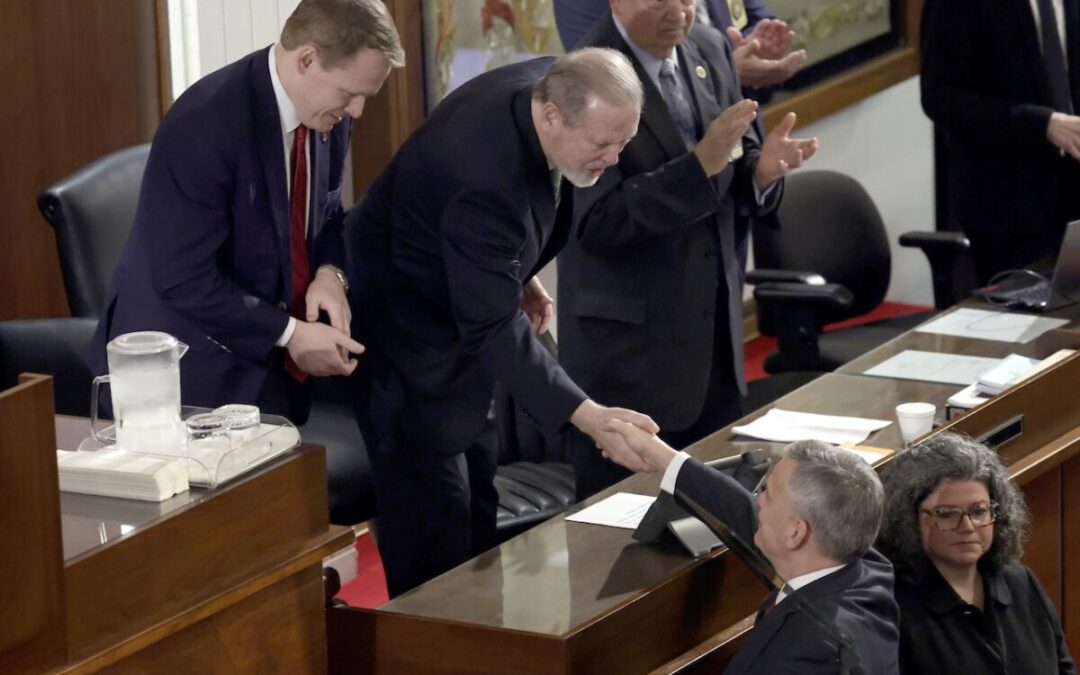
Josh Stein demanded NC Republicans fund Medicaid. You can’t make us, they said.
Without additional funding, some of North Carolina’s most vulnerable residents who rely on Medicaid could see their coverage be cut or be forced to...