Credit: Yagi Studios/Getty Images
North Carolinians with Medicaid can now get oral contraception at pharmacies at no cost, and without a prescription.
An over-the-counter birth control option will now be available for free in North Carolina for anyone who has health insurance through Medicaid, Gov. Roy Cooper announced this week.
Coverage for Opill applies to both NC Medicaid Direct and NC Medicaid Managed Care members and aims to improve access to birth control statewide. Most contraception options require a prescription from a healthcare provider, which can be difficult for some people, particularly low-income individuals, communities of color, and those who live in rural parts of North Carolina, to obtain. Barriers to access can include lack of transportation and shortages of healthcare providers in certain areas.
Opill is a progestin-only oral contraceptive, known as “POP” or the “mini-pill.” According to the Opill website, the pill is recommended to be taken daily at the same time for maximum effectiveness. When used as directed, Opill is 98% effective at preventing pregnancy and starts working 48 hours after taking the first pill.
In a NC Department of Health and Human Services bulletin, NC Medicaid encouraged members to establish care with a medical home but acknowledged the necessity of offering OTC access to Opill to overcome these obstacles.
“Our goal is to ensure everyone has access to the right contraception and reproductive services at the right time in their community,” said Health and Human Services Secretary Kody H. Kinsley in a statement. “This new coverage is part of our ongoing work to invest in child and family well-being by increasing access to health care and ultimately improving maternal and infant outcomes.”
The move comes a little over a year since the Republican-controlled General Assembly passed a law banning abortion care after 12 weeks of pregnancy in North Carolina and installing new medically unnecessary measures, such as doctor’s visits that put undue burdens on patients, especially those in rural areas.
Following the Supreme Court’s Dobbs decision, recent reports show that states with full abortion bans saw significant declines in prescriptions for both daily and emergency contraceptives, with the most restrictive states experiencing a 65% greater drop in emergency contraceptive prescriptions compared to states with more moderate restrictions. As the study’s authors note: “These findings suggest that efforts to protect and improve access to oral contraceptives are needed, especially for emergency contraceptives in states where abortion is most strongly restricted.”
Unplanned pregnancies are more common than people think.
Research shows that 42% of all pregnancies are unintended, meaning that they are either mistimed or unwanted. The CDC says that access to high-quality reproductive healthcare is essential for people who want to prevent pregnancy or have a healthy pregnancy — all depending on their choice.
Public health experts also say that having fair and equal access to all types of contraceptives is part of the reproductive healthcare process.
Opill remains covered with a prescription, and pharmacies should continue billing the recipient’s managed care plan if they are enrolled in managed care. Medicaid participants can obtain up to a three-month supply per request, without a prescription, with a maximum of 13 packs per year.
READ MORE: Eight months after Medicaid expansion began, rural NC continues to benefit
Author

Support Our Cause
Thank you for taking the time to read our work. Before you go, we hope you'll consider supporting our values-driven journalism, which has always strived to make clear what's really at stake for North Carolinians and our future.
Since day one, our goal here at Cardinal & Pine has always been to empower people across the state with fact-based news and information. We believe that when people are armed with knowledge about what's happening in their local, state, and federal governments—including who is working on their behalf and who is actively trying to block efforts aimed at improving the daily lives of North Carolina families—they will be inspired to become civically engaged.

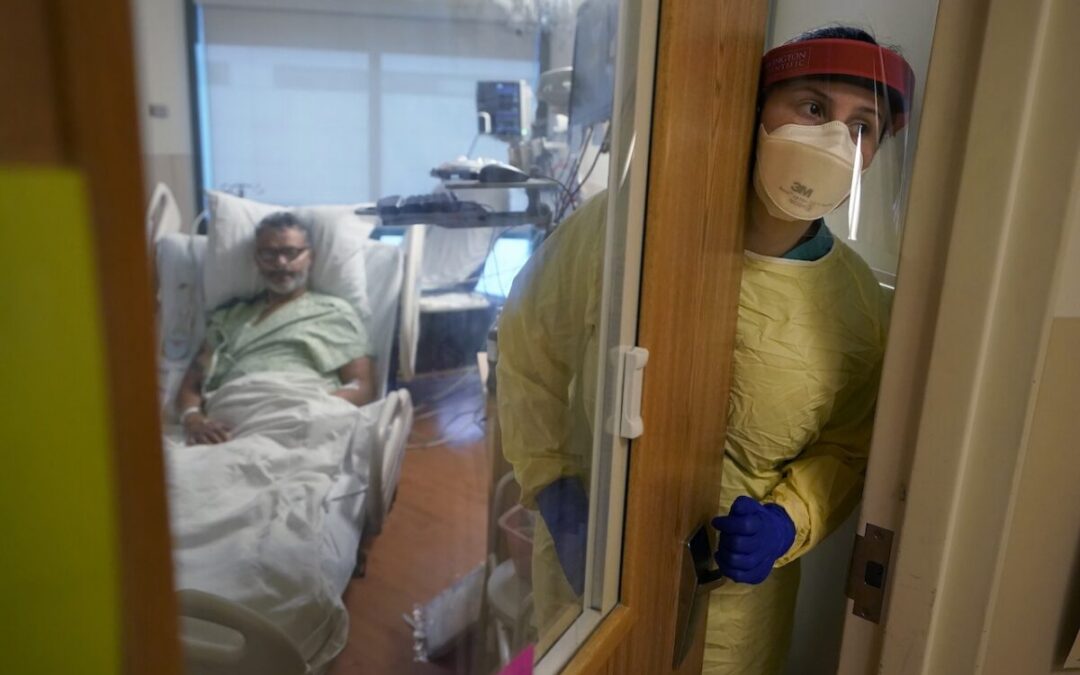
North Carolina has a shortage of nurses. It’s expected to get a lot worse.
Medicaid cuts could worsen an existing nursing shortage that is already exhausting nurses and putting patients in danger. [This story is part of...
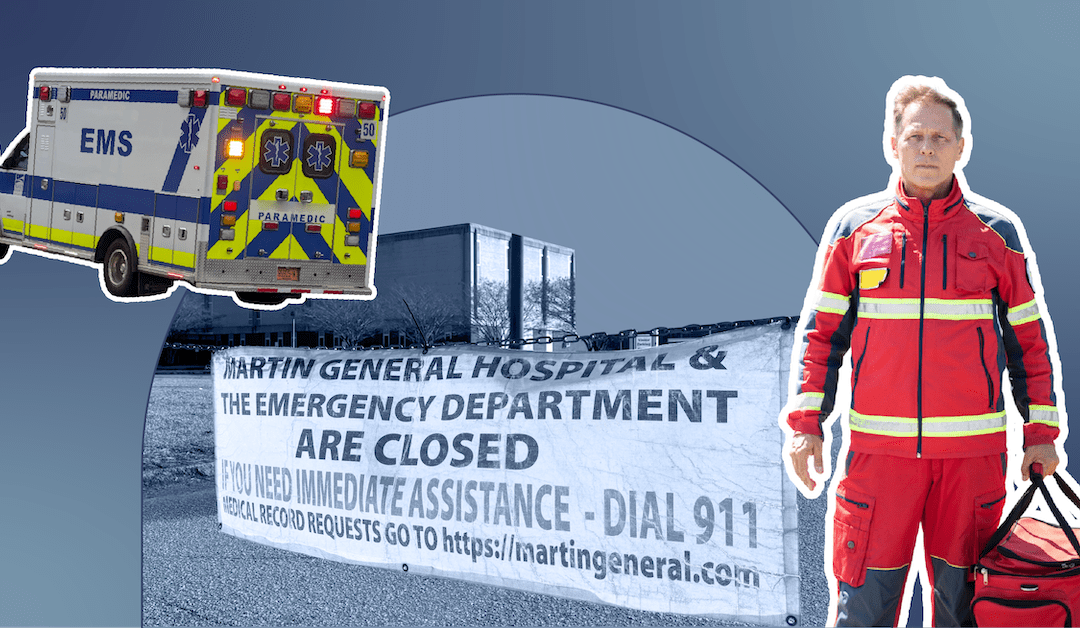
Every minute counts: Rural NC faces longer distances for emergency care
Across eastern NC, emergency care services aren’t always easy to come by and often require long wait times or distant drives. The consequences can...
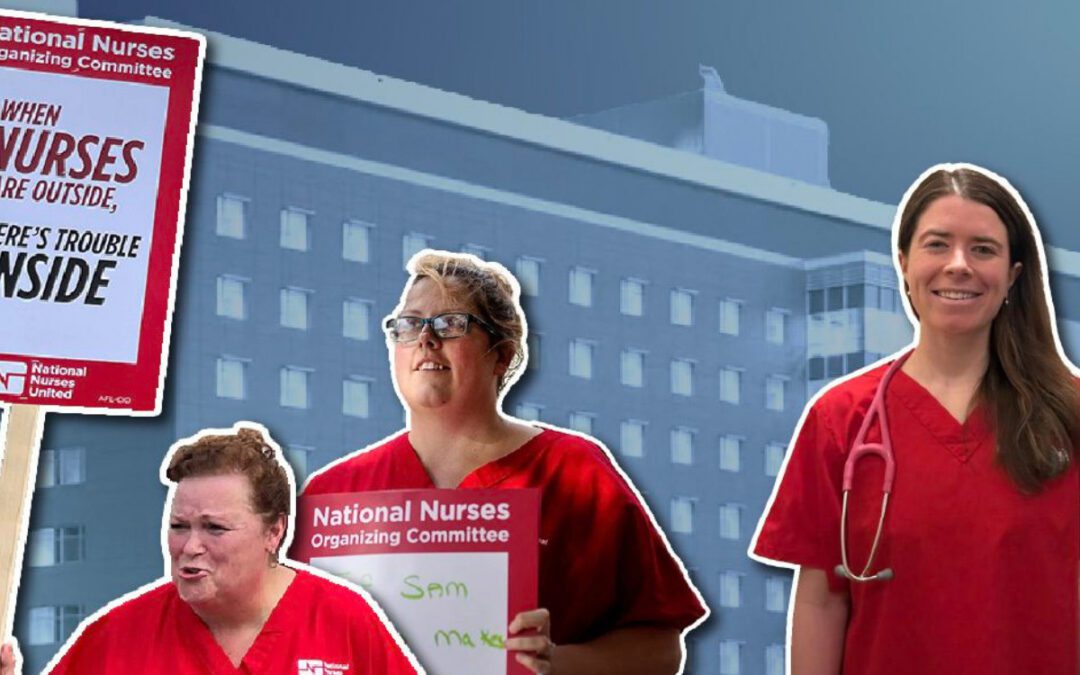
Mission Hospital nurses detail the ‘moral distress’ of working understaffed
Mission Hospital in Asheville, like many across the country, is severely understaffed, posing a risk to patients who seek care there. If Trump’s...
Mission Hospital nurses detail the ‘moral distress’ of working understaffed
Mission Hospital in Asheville, like many across the country, is severely understaffed, posing a risk to patients who seek care there. If Trump’s...

Your zip code can determine your fate in North Carolina’s medical deserts
Seventy of North Carolina’s 78 rural counties are considered “medical deserts.” That means patients often can’t get the care they need, and in many...