AP Photo/Patrick Semansky
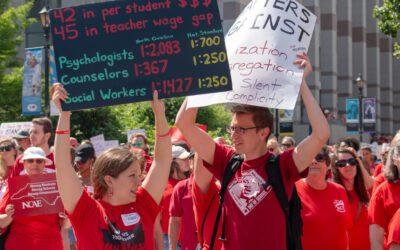
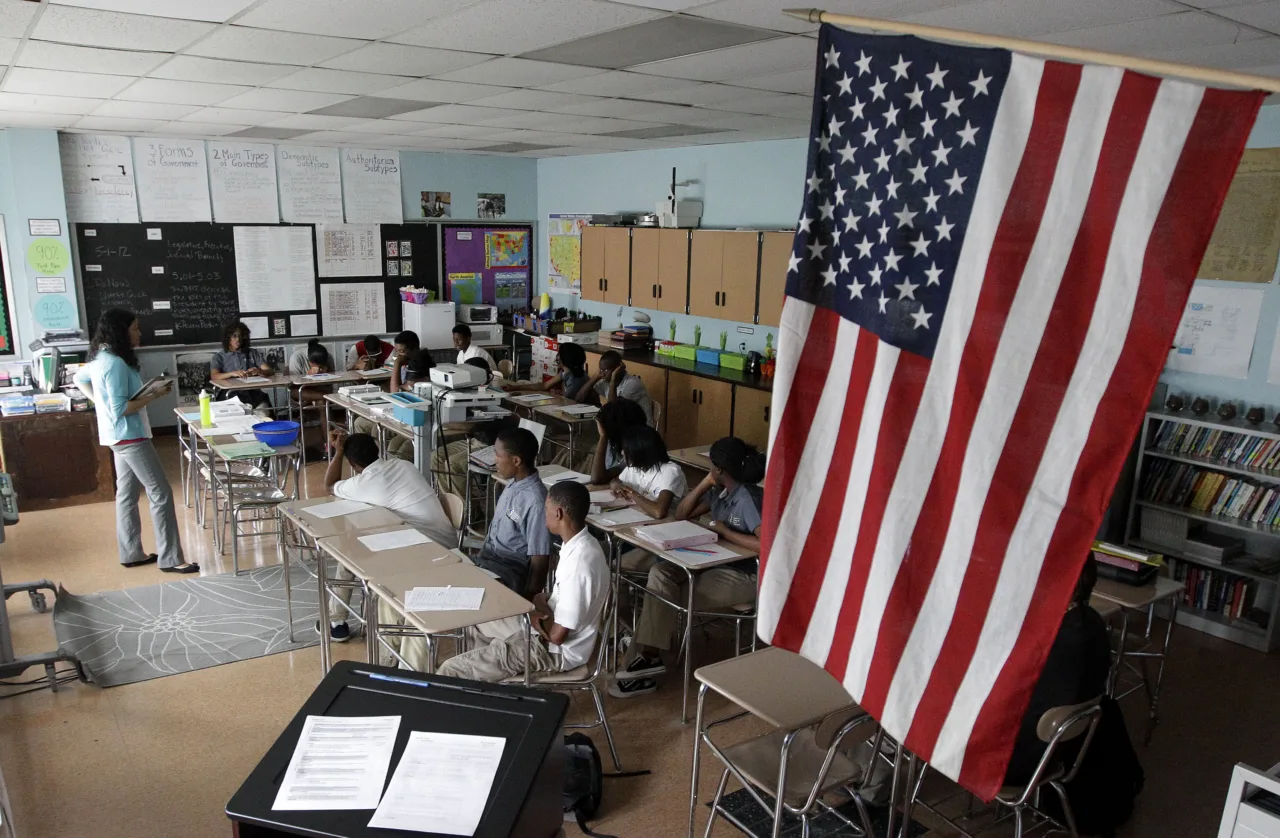
Access to high quality public education is a cornerstone of our democracy. Unfortunately, North Carolina politicians are attacking public education by gutting funding for schools and sowing distrust in teachers and administrators. This two-pronged assault on public schools robs children of the strong foundational learning they deserve.
Statewide funding decisions deeply impact local schools since the biggest slice of school district budgets comes from state coffers. For example, my kids go to school in Henderson County where more than half the funding for our public schools comes from tax dollars by way of Raleigh.
The North Carolina General Assembly has successfully withheld and redirected public money from public schools in my county and across the state. For decades, our legislators have withheld desperately needed dollars by refusing to fund the Leandro Plan. In a landmark decision, the North Carolina Supreme Court found that the legislature was failing to meet its constitutional obligation to provide a sound basic education to children in our state – and therefore must fully fund the Leandro Plan. The GOP-led legislature still refuses. Meanwhile, the legislature has taken action to redirect public money from public schools through voucher programs – and ensure wealthy families have access to public dollars for private school tuitions. Withholding and redirecting funds from our public schools is a double whammy and a huge disservice to students.
Efforts to undermine cash-strapped public schools persist at the local level as well. During the pandemic, members of my local school board grumbled about having to pay teachers their full salaries when they were forced to work remotely. Upon hearing that, a teacher I know called me in tears. She was already working 50-60 hours a week to engage her elementary school students with special needs through a computer screen on top of driving to many of their homes to drop off materials. That moment solidified for me the need to have level-headed, compassionate, and budget-savvy people on our school board.
More recently, Henderson County’s school board spent time grandstanding over school calendar rules and adjusting their policies after the “don’t say gay” bill (SB 49) passed into law. The General Assembly thrust both those issues onto local school board agendas and wasted a lot of time and energy and caused a lot of pain in the process.
Instead of spinning their wheels on such harmful distractions, school boards should be focused on ensuring schools have what they need to best support students. Books, buses, and buildings are a big part of that support, but so are well-trained teachers and staff who are able to meet kids where they are. Furthermore, health and safety are fundamental to student success, and the school board has an important role to play in working with community partners to reduce risks of harm as much as possible.
It’s therefore crucial to elect board members who are willing to work through differences without scapegoating children for political points. Pay attention to your local school board race – our democracy depends on it!
Author


School choice programs grow in popularity — and cost
States like NC are scrambling to meet rising demand for newly expanded school choice initiatives, pouring more money into the programs as waiting...
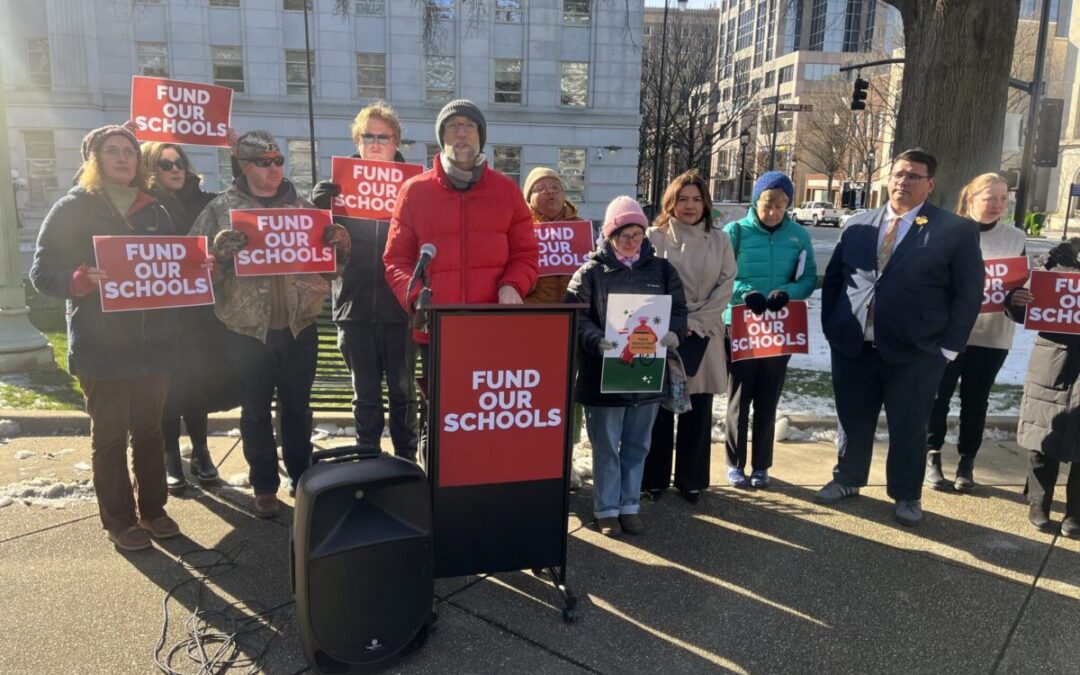
Students, advocates condemn delays in NC’s Leandro case
Education advocates, parents and teachers braved the cold Thursday as they urged the North Carolina Supreme Court to enforce its Leandro ruling and...
NC fights back after Trump team cuts $50M in rural education funding
North Carolina Attorney General Jeff Jackson says the decision to end the funding mid-stream violates federal law and threatens critical rural...
NC fights back after Trump team cuts $50M in rural education funding
North Carolina Attorney General Jeff Jackson says the decision to end the funding mid-stream violates federal law and threatens critical rural...
North Carolina faith leaders, advocates outline legislative wish list ahead of 2026 session
NC faith leaders and advocacy groups outlined a policy agenda focused on education funding, health care access, and more as lawmakers prepare for...