We urge the North Carolina House to reconsider this dangerous bill and listen to the voices of those who will be most impacted by it. Public health measures like mask-wearing are not just about individual safety—they are about community protection and solidarity.
One in three pregnant women in North Carolina do not receive the necessary prenatal care during their first three months of pregnancy, according to recent data.
U.S. Rep. Alma Adams from North Carolina partners with Republicans to fund research in preventing stillbirths, which happen about 58 times a day in America.
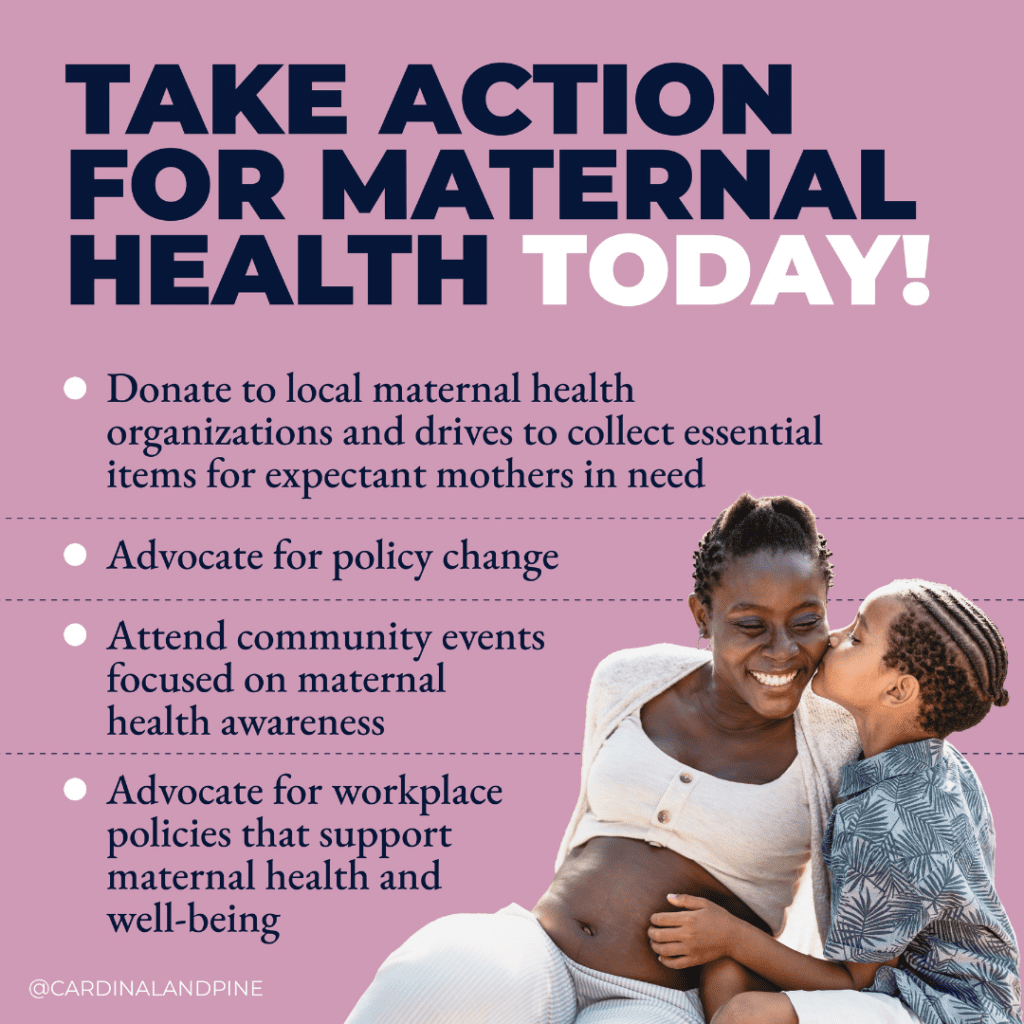
A bill co-sponsored by Rep. Alma Adams of North Carolina would expand access to a vital tool in the fight to address the nation’s Black maternal health crisis.
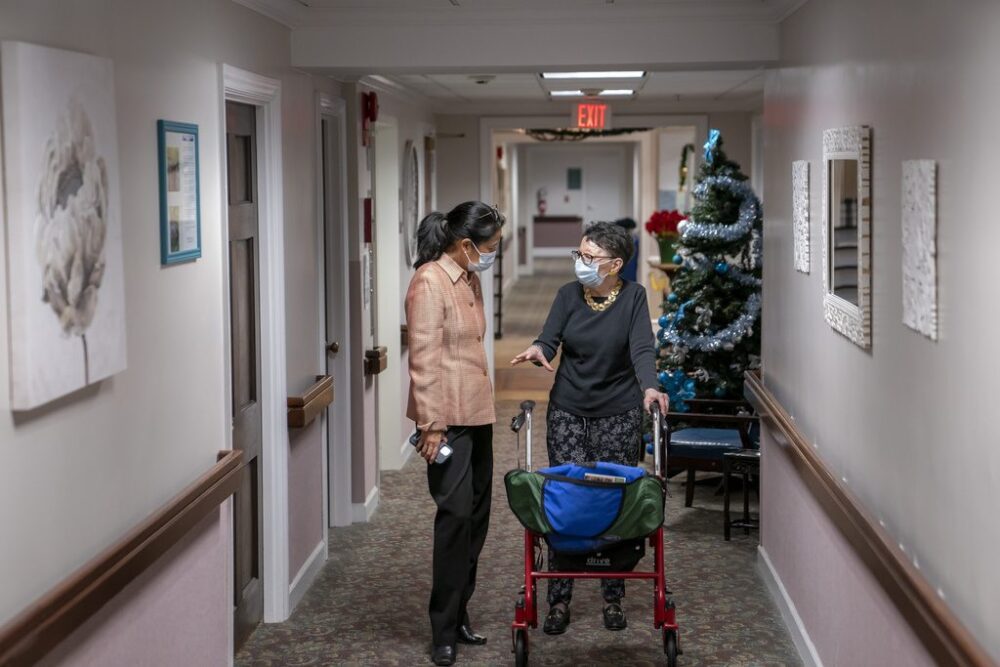
The rules issued last month establish national minimum staffing requirements for federally-funded nursing homes, enact national appointment wait time standards for Medicaid and CHIP enrollees, and more.
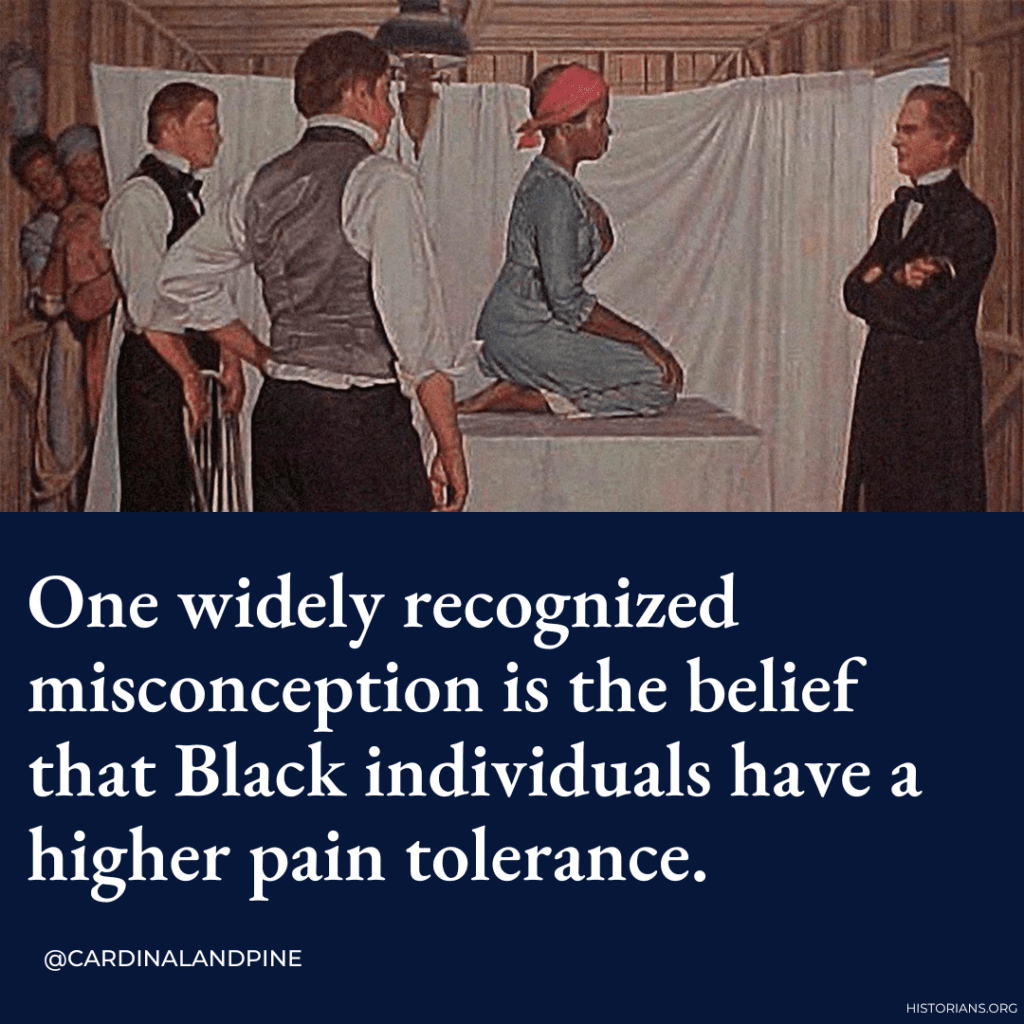
The leaders of a groundbreaking birthing center in North Carolina on the Black maternal health crisis, what they do, and the racist roots of prejudice against midwives.
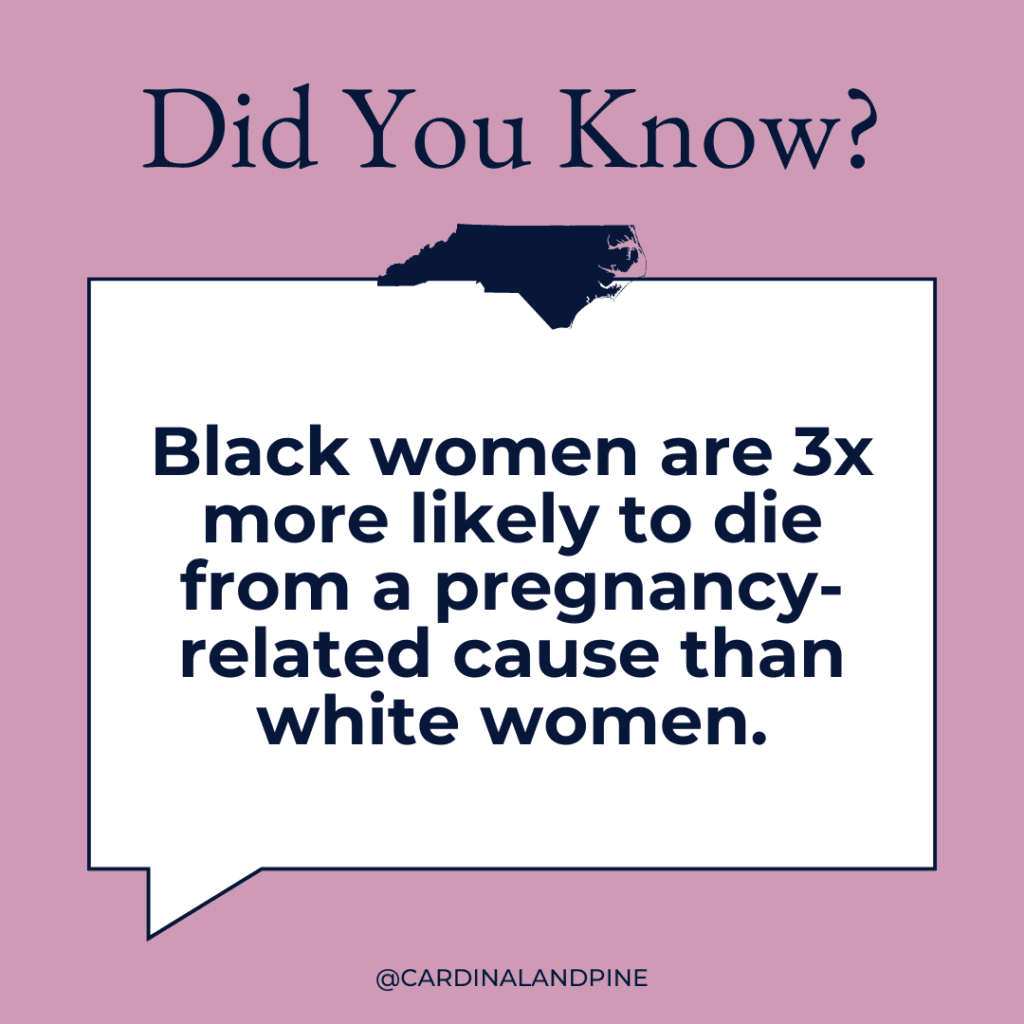
It's time to confront the harsh realities of systemic inequities in maternal healthcare. According to the Centers for Disease Control and Prevention, Black women are three times more likely than white woman to die from causes related to pregnancy. There's a lot...
State policymakers, including leaders in North Carolina, are choosing between the long-term benefits of weight loss drugs and reducing obesity among public employees, and the short-term costs.
A North Carolina family says they've been forced to make heartbreaking choices because of health insurance companies who won't pay for the care their son needs.
On Wednesday, Cooper gave his final public address as governor at Nash County Community College in his hometown of Rocky Mount, where he highlighted his proudest accomplishments as governor and gave a wink and a nod to what might be ahead for him.
Debbie Smith of Alamance County is one of roughly 3 million North Carolinians who suffer the burden of medical debt. She spoke with Cardinal & Pine about her story, the realities of debt, and what she hopes will be done about it.
Research from the Urban Institute and the Private Equity Stakeholder Project found that hospital market concentration, as well as private equity’s expanding role in billing, tracking, and collecting payments for health care, is exacerbating the country’s medical debt problem.